Christmas Kitchen Towel Mockups: A Designer's Real-World Review
When I first opened the folder labeled Christmas Kitchen Towel Mockups, I wasn't looking for a pretty picture to put on a website. As someone who spends more time troubleshooting thread breaks than admiring finished products, I was looking for something that would hold up under the stress of real-world production. The embroidery market is flooded with generic holiday designs, but finding assets that actually translate well from a digital screen to a stitched textile requires a sharp eye. This review focuses on how these Graphics perform when they leave the computer and land on the fabric.
The First Impression: Mood and Layout
The immediate feeling you get from this collection is one of cozy utility. Unlike high-fashion embroidery that prioritizes abstract artistry, Christmas Kitchen Towel Mockups feels grounded in tradition. The layout respects the natural drape of kitchen linens, which is often overlooked by designers who treat every surface like a t-shirt. The visual personality here is festive without being overwhelming. It strikes a balance between a classic red and green palette and a modern, clean aesthetic that fits both a rustic farmhouse kitchen and a sleek contemporary home.
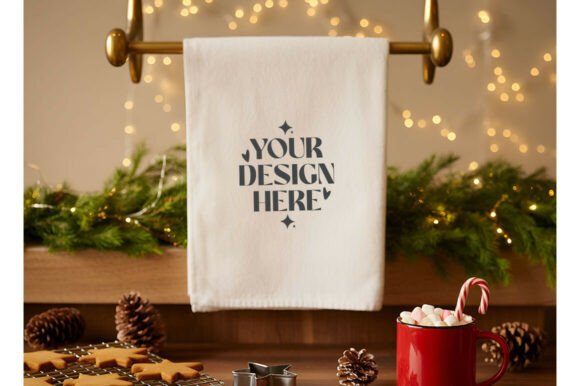
For an embroidery designer, the initial assessment comes down to whether the design elements feel cohesive. Does the theme make sense? If you are creating a red green towel mockup for a boutique product line, the color harmony needs to be intentional. These files appear to offer a strong foundation for that. They suggest a design that invites the customer to imagine their own kitchen, complete with fresh cookies and hot cocoa, rather than just seeing a logo slapped onto a piece of cloth. That emotional connection is crucial for selling handmade goods.
Real-Life Application: From Screen to Stitch
I recently had a client request a custom line of holiday gifts for her small shop. She needed items that felt personal but could be produced quickly for the Christmas rush. We looked at using these kitchen towel mockup files as the centerpiece for a new product line. The goal was to create personalized aprons and tea towels that customers could order online.
In this scenario, the holiday towel mockup proved its worth. The design structure allowed us to easily swap out names or add small monograms without cluttering the main motif. When we moved to the actual machine, the machine embroidery design held up remarkably well. The spacing between elements was generous enough to prevent thread jams but tight enough to maintain structural integrity. For a small business owner or an Etsy seller, this reliability is everything. You cannot afford to have a design fail halfway through a run of twenty identical items.
The versatility extends beyond just towels. While the primary focus is on linens, the composition works beautifully as a tote bag design or even as a centered motif on a heavy-duty sweatshirt. Imagine a baby item with a softer version of this pattern; the blank kitchen towel mockup style translates well to soft cottons used for burp cloths or nursery decor. The design assets are flexible enough to adapt to various product types, making them a valuable addition to any embroidery project library.
Where Caution Is Required
However, not every surface is created equal. As an experienced reviewer, I must point out where this festive towel mockup might struggle. If you are planning to use this on a curved surface like a cap or a hat, you need to be very careful. The design appears to rely on straight lines and balanced symmetry, which can distort significantly when wrapped around a curved brim. Unless you have advanced digitizing skills to compensate for the curvature, stick to flat surfaces like pillows, aprons, or flat-lay garments.
Texture is another factor. If your target fabric has a heavy nap or a loose weave, the fine details of the embroidery file might get lost. Dense stitch areas can sometimes sink into textured fabrics, reducing the crispness of the final look. Similarly, if you are working with stretchy fabrics, the tension of the stitches might cause puckering if the stabilizer isn't chosen correctly. Always test the stitch density on a scrap piece of your actual material before committing to a full production run.
Visual Appeal and Customer Trust
In the world of handmade products, presentation is half the battle. A high-quality printable mockup does more than just show off the design; it builds trust. When a potential buyer sees a realistic rendering of a Christmas towel mockup hanging in a warm, inviting kitchen, they are more likely to click "buy." The visual clarity of these graphics suggests a professional finish that aligns with the expectations of a paying customer.
This attention to detail also impacts brand consistency. If you are running a craft business or a commercial embroidery operation, your branding needs to look cohesive across all platforms. Using a consistent set of design assets ensures that your Etsy listings, social media posts, and physical packaging all tell the same story. The finished product should look as good in the photo as it does in reality, and these mockups help bridge that gap effectively.
Practical Notes for the Embroidery Designer
Before you start stitching, there are a few technical steps you must take. First and foremost, always test the design on scrap fabric. This is non-negotiable. Check the thread colors against your chosen fabric to ensure there is sufficient contrast. A satin stitch that looks vibrant on a white background might disappear on a dark red towel.
You also need to inspect the small details. Are there tiny letters or intricate corners that might break during the process? If the design includes running stitch or delicate fill work, verify that the hoop size you plan to use provides enough stability. If the design is too large for your machine's hoop, you may need to split the file or adjust the placement. Furthermore, confirm the licensing terms. Just because you bought the digital embroidery file doesn't automatically mean you can sell the finished items commercially. Always check the specific license agreement for product mockups and graphics.
Finally, don't forget the stabilizer. The choice of backing material is critical for maintaining the shape of the personalized gift. Whether you are using tear-away, cut-away, or wash-away, the right support will ensure your embroidered patch or towel looks crisp and professional. By taking the time to evaluate these factors, you ensure that your custom apparel or holiday embroidery projects stand out for all the right reasons.
Ultimately, Christmas Kitchen Towel Mockups offers a solid starting point for anyone looking to expand their holiday product line. It captures the spirit of the season while remaining practical for mass production. With a little bit of testing and the right preparation, these files can help transform a simple idea into a profitable, beautiful reality.