Japanese Pagoda Mount Fuji Airplane Review
As a designer who has spent years turning digital files into tangible stitched goods, I approach every new download with a mix of excitement and skepticism. The market is flooded with generic clip art, but finding a machine embroidery design that balances cultural aesthetic with modern travel themes is rare. Today, I am putting the Japanese Pagoda Mount Fuji Airplane through its paces to see if it deserves a spot in my production workflow for client projects and handmade shop inventory.
The First Stitch: Visual Personality and Mood
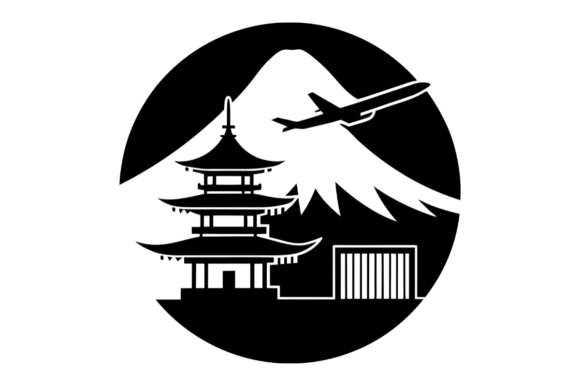
When I first opened the file for the Japanese Pagoda Mount Fuji Airplane, the immediate impression was one of serene adventure. Unlike standard travel icons that rely on cliché landmarks, this piece combines the structural elegance of a traditional pagoda with the soaring silhouette of an airplane against the iconic backdrop of Mount Fuji. It creates a mood that is both nostalgic and forward-looking.
For a designer, the visual personality matters just as much as the technical specs. This illustration feels like it belongs in a boutique setting rather than a mass-produced discount store. The silhouette style suggests a clean, graphic look that translates beautifully when converted into thread. It avoids the clutter often found in complex vector graphics, focusing instead on strong shapes and negative space. This is crucial because embroidery is a medium of subtraction; you are removing fabric or covering it with thread, so the original design must be robust enough to survive the conversion process without losing its soul.
Real-World Application: From Screen to Fabric
To truly understand the potential of this embroidery file, I simulated how it would perform in a real-life scenario. Imagine preparing a custom embroidered tote bag for a local travel agency or a high-end craft fair booth selling Japanese-inspired home goods. The Japanese Pagoda Mount Fuji Airplane fits perfectly here. It acts as a sophisticated brand mark that tells a story of exploration without needing words.
I also considered its viability for personalized gifts. Picture a baby onesie or a nursery pillow cover featuring this motif. The rounded nature of the pagoda roof and the smooth curve of the mountain make it ideal for soft goods where sharp, aggressive lines might feel out of place. For small business owners looking to expand their Etsy listings, this design offers a unique angle. It moves beyond the typical "Made with Love" text and provides a thematic centerpiece that customers can immediately recognize and appreciate.
In terms of apparel, this design shines on sweatshirts and aprons. The horizontal layout allows it to sit comfortably across the chest or down the center back of a garment. When stitched onto a cotton canvas tote, the contrast between the dark thread and the natural fabric would highlight the silhouette effectively, creating a professional finish that elevates the perceived value of the product.
Navigating Technical Challenges
However, not every project is a success, and as a reviewer, I must point out where caution is needed. The Japanese Pagoda Mount Fuji Airplane relies heavily on silhouette definition. If you attempt to stitch this in a very small hoop size, such as those used for tiny cuff patches or delicate jewelry tags, you risk losing the distinction between the airplane wings and the pagoda details. The density of the fill stitches required to hold the shape together could cause puckering if the stabilizer choice isn't precise.
Fabric texture plays a significant role here. While this design looks great on stable fabrics like denim, twill, or heavy cotton, it may struggle on highly textured materials like bouclé or loose-weave linen. The thread might get lost in the weave, blurring the clean lines of the graphic. Similarly, stretchy fabrics like jersey require careful hooping and potentially a cut-away stabilizer to prevent the design from distorting during wear.
Dark fabrics present another hurdle. If you plan to use this on black or navy garments, you will need to select thread colors that provide sufficient contrast. A light-colored outline or a specific color palette selection will be necessary to ensure the mountain and the plane remain distinct from the background. Without proper color planning, the design could appear muddy or indistinct, which negatively impacts customer trust in your finished product.
Stitch Density and Detail Clarity
One of the most critical aspects of any digital embroidery file is stitch density. In the case of the Japanese Pagoda Mount Fuji Airplane, the large areas of the mountain and the body of the plane likely require fill stitches. If the density is too high, the fabric will become stiff and difficult to handle, especially on items like caps or fitted t-shirts where drape is important. Conversely, if the density is too low, the design may look patchy and unfinished.
I recommend testing the design on scrap fabric before committing to a final project. This step allows you to check the thread color contrast and inspect small details that might not be visible in a digital mockup. Pay close attention to the corners of the pagoda and the tips of the airplane wings. These are the areas where satin stitch or running stitch transitions can sometimes fail if the digitization wasn't optimized for the specific thread type being used.
Impact on Brand and Commercial Value
For Etsy sellers and craft business owners, the quality of the design directly influences buyer engagement. A well-executed embroidery project using this motif signals professionalism and attention to detail. Customers are willing to pay a premium for items that look polished and thoughtfully designed. The Japanese Pagoda Mount Fuji Airplane adds a layer of sophistication that can help differentiate your products in a crowded marketplace.
When creating printable mockups for your online store, this design serves as a versatile asset. Its clean lines work well in both color and grayscale, allowing you to create cohesive branding across different platforms. Whether you are showcasing a holiday gift set or a wedding favor, the imagery evokes a sense of journey and celebration that resonates with buyers.
Practical Designer Notes for Success
Before you start stitching, there are a few essential checks to ensure your finished product meets your standards. First, confirm the licensing terms. If you intend to sell the finished items commercially, you must verify that the Illustrations and Graphics included in the package allow for commercial use. Do not assume that a download includes full rights; always read the fine print regarding commercial embroidery.
Second, review the stitch count and file formats. While specific details vary by provider, knowing whether you have .dst, .pes, or .jef files is vital for compatibility with your machine. If the design lacks specific instructions for hoop size or recommended stabilizer types, do not guess. Consult with experienced digitizers or test multiple setups to find the sweet spot for stability and clarity.
Finally, consider the end-use of the item. If the product requires frequent washing, such as kitchen towels or baby clothes, ensure the design is anchored properly with appropriate backing. Dense stitch areas can trap lint or moisture if not secured correctly, leading to premature wear. By taking these precautions, you protect your reputation as a maker and ensure that the Japanese Pagoda Mount Fuji Airplane remains a beautiful part of your collection for years to come.
In conclusion, this design is a strong candidate for anyone looking to add a touch of artistic flair to their embroidery portfolio. It bridges the gap between traditional iconography and modern design, offering endless possibilities for creative expression. With the right preparation and attention to technique, it can transform simple materials into memorable keepsakes.